Introduction
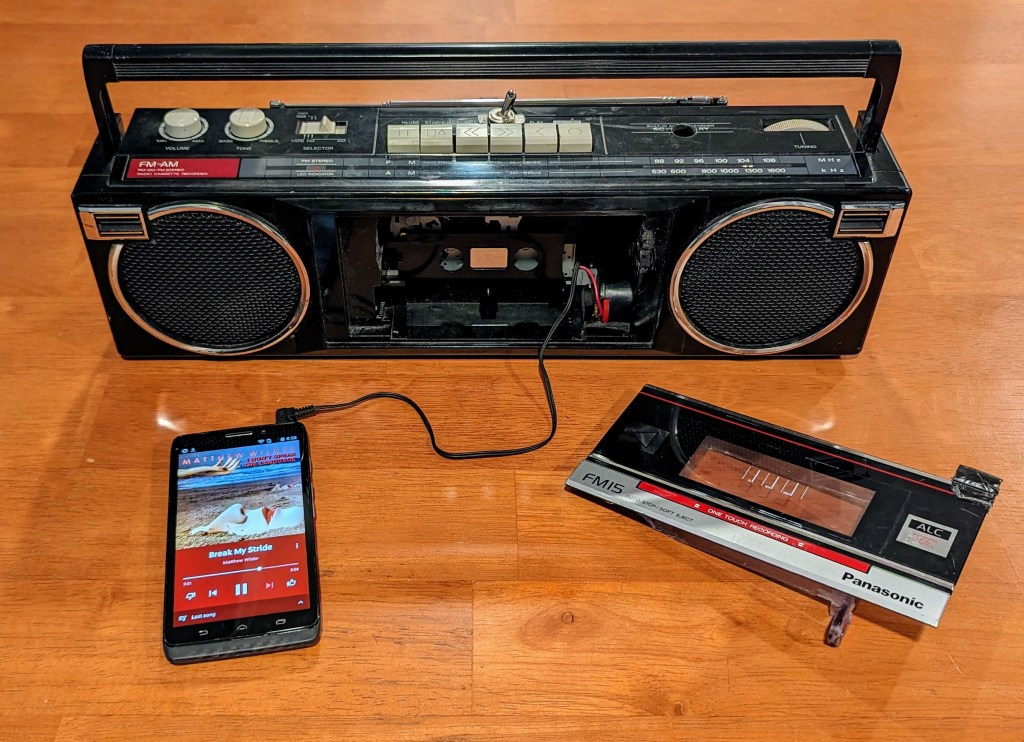
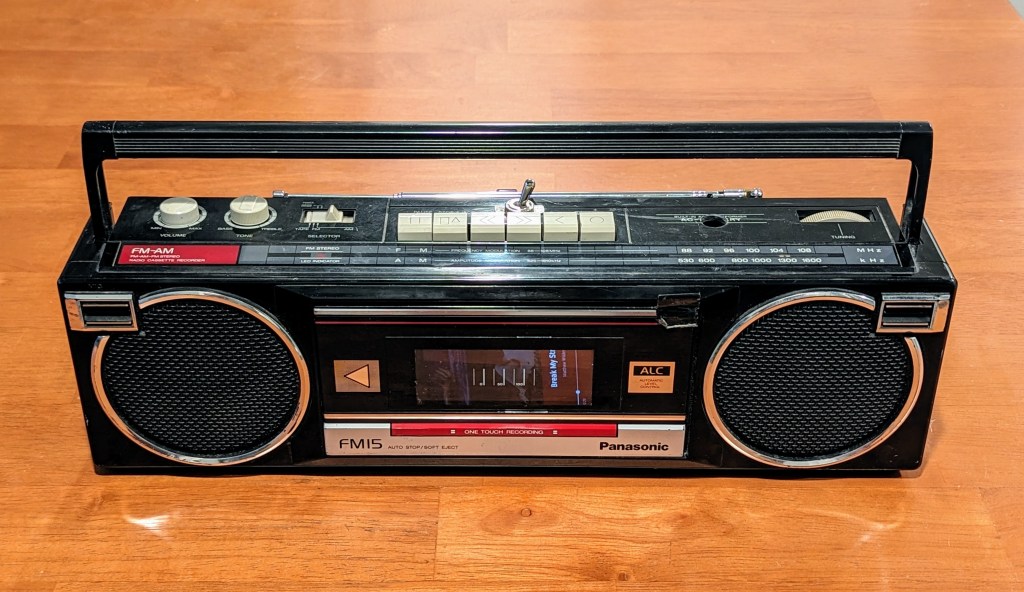
This project adds an AUX port to a 1985 Panasonic RX-FM15 radio by removing the cassette tape deck and utilizing the existing cassette tape amplifier. An Android phone fits in the modified cassette tape area, providing a handpicked playlist of 80’s jams.
Modifications
The front panel removes easily with a few screws in the back, allowing access to all the internals.
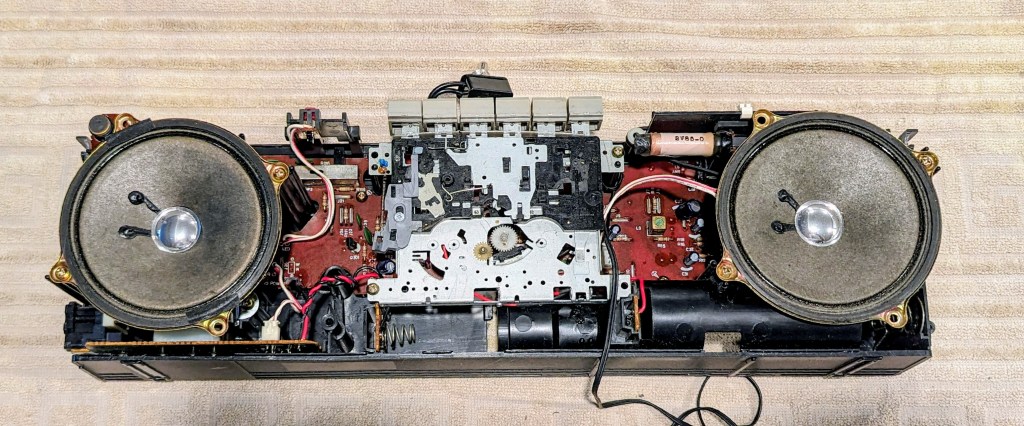
Next the cassette tape deck is removed, which exposes the amplifier below.
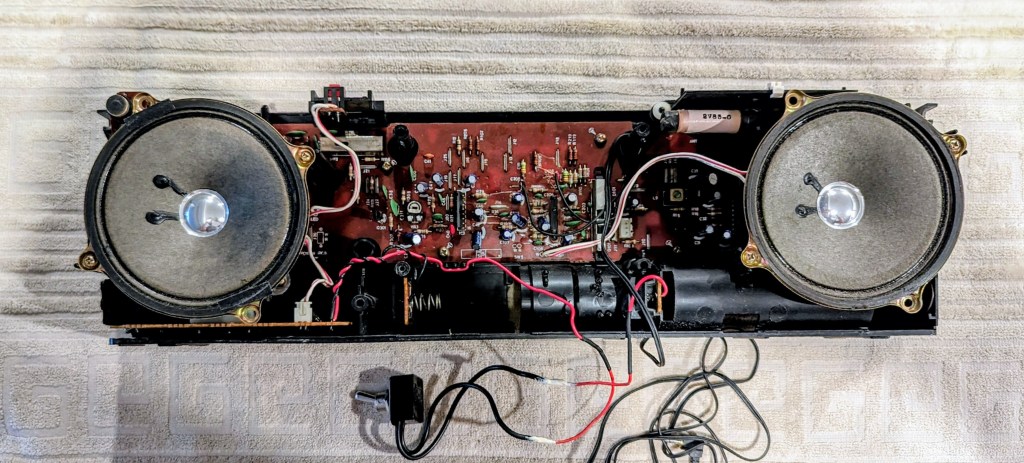
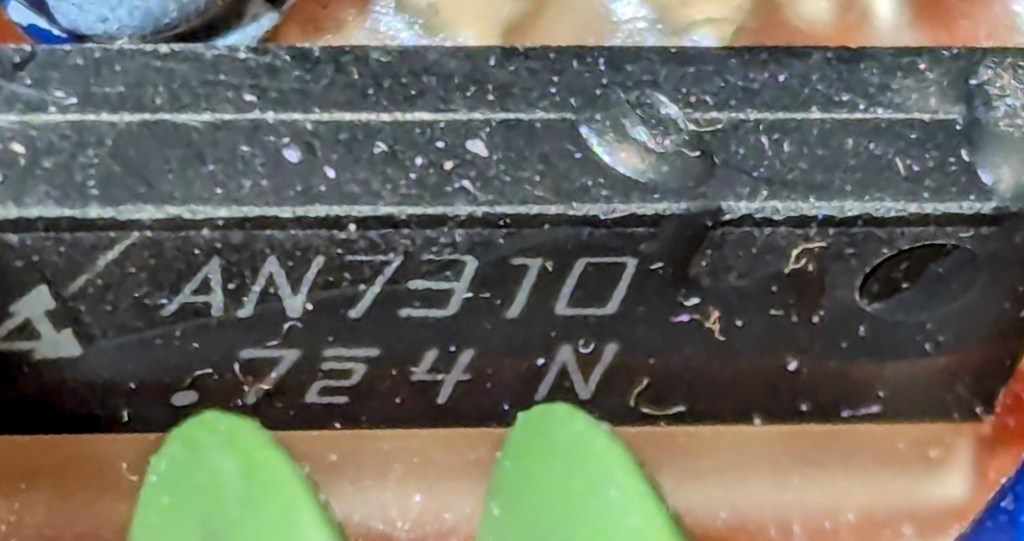
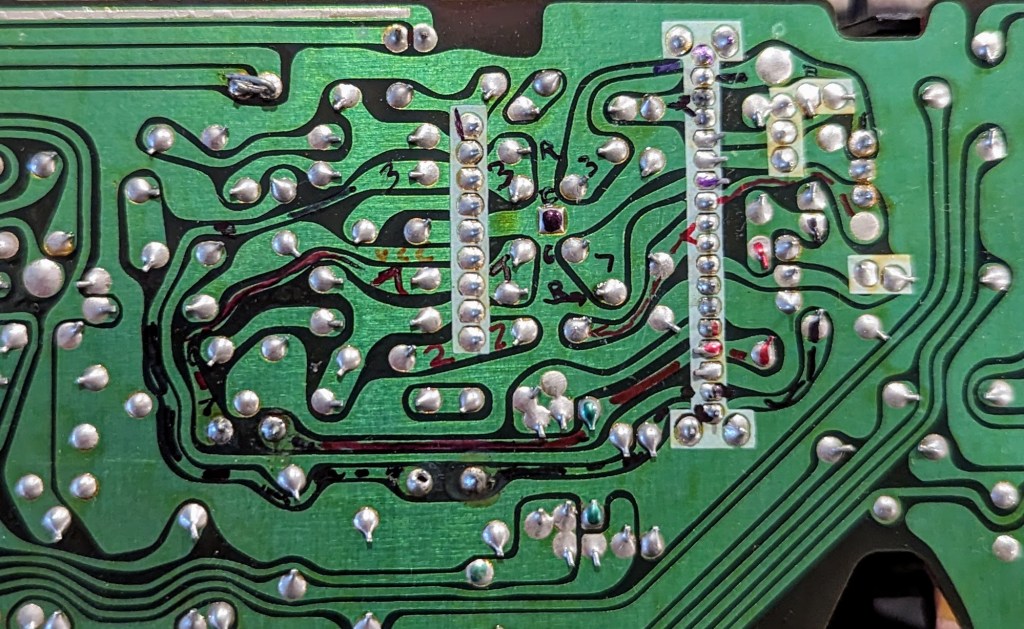
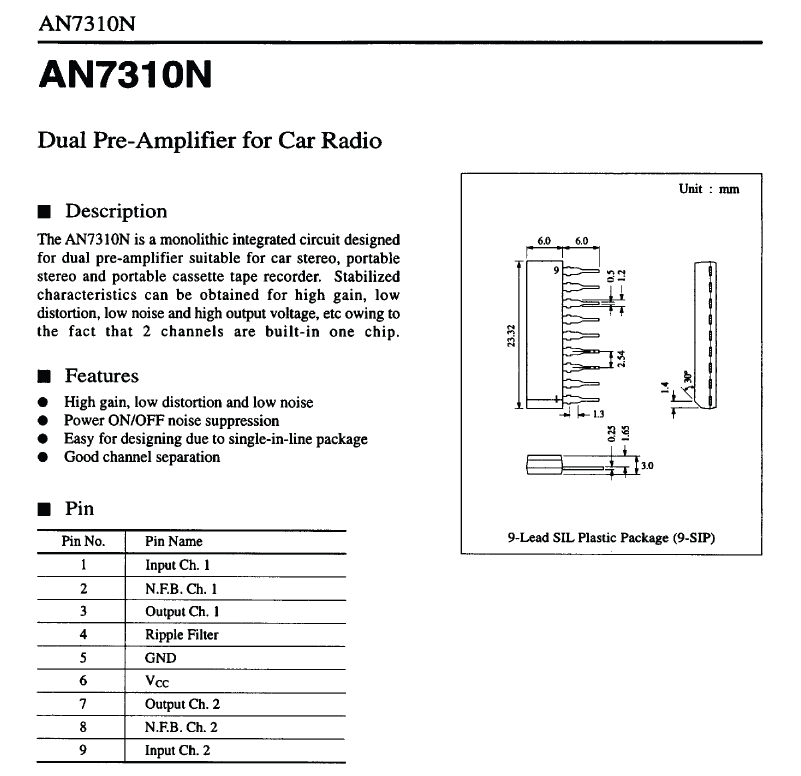
Initially, it wasn’t clear which chip was the cassette tape amplifier, but after searching visible part numbers it became clear that a Panasonic AN7310 was used. The datasheet can still be found online, which shows the pin out for the left and right audio as pins 1 & 9. These two pins were traced along the front and back of the PCB, and a convenient location to solder the lead wires was determined. The 3.5mm audio jack cable was soldered on to the front side of the PCB where the cassette tape input used to be routed.
Aside: It was interesting to see what must be hand drawn PCB traces from this era.

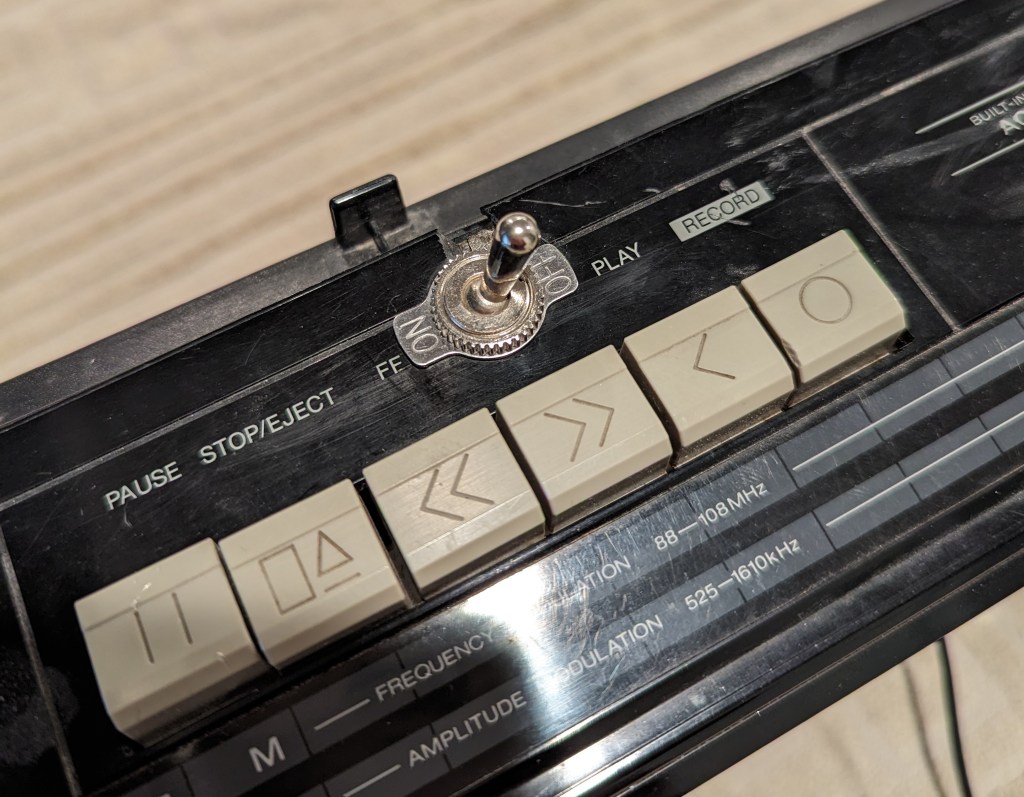
This radio is powered by batteries and included no shut off switch, meaning some small amount of power is always being drained. So for longer term storage, a simple toggle switch was added inline on the battery lead, and panel mounted to the top on the radio.
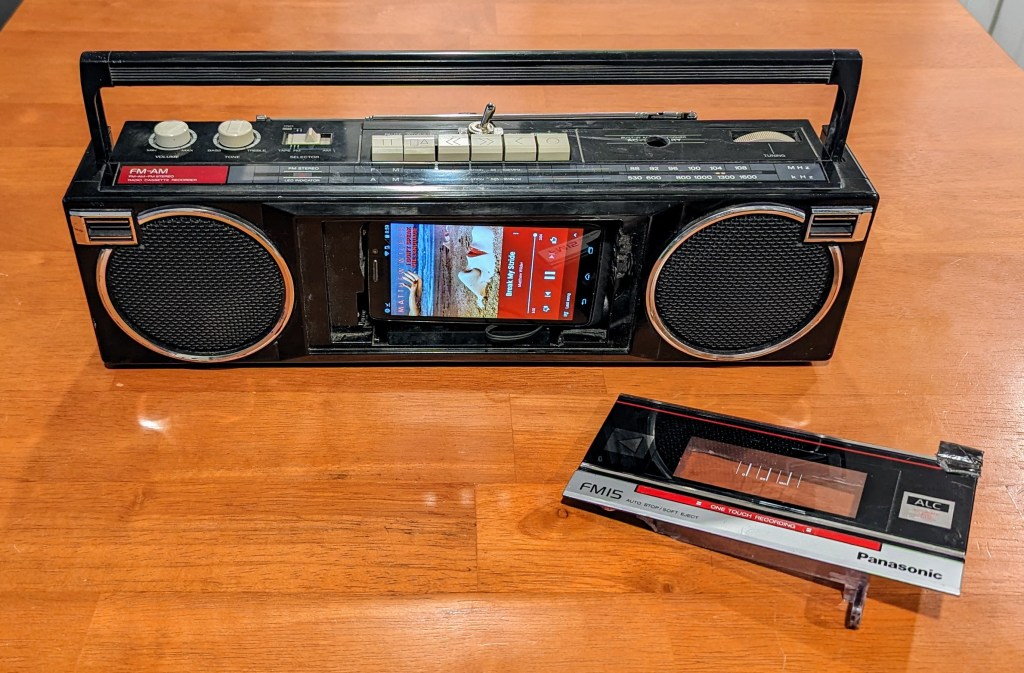
To fit the Android phone in the cassette tape area and still close the original door, much of the plastic door material was removed from the inside, and high strength magnets were glued to the door and inside of the front housing to keep the door shut.
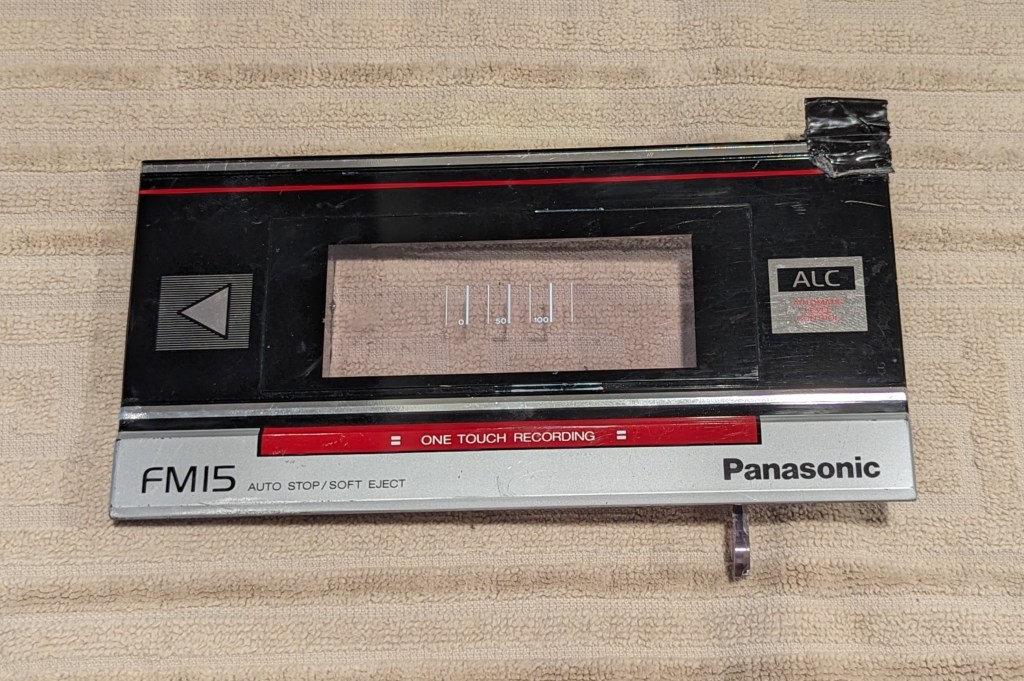
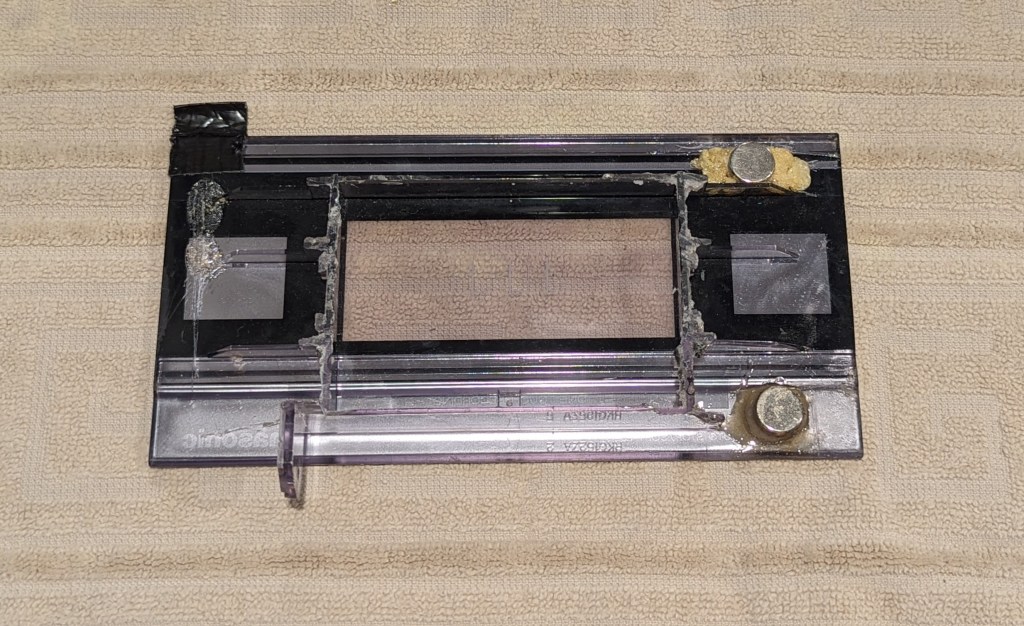
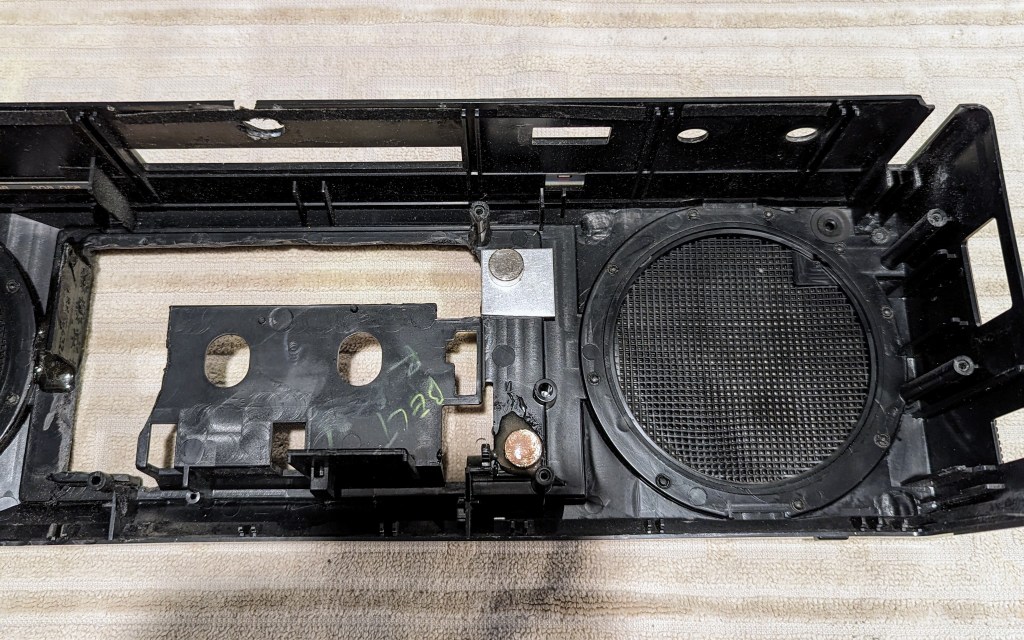
A Motorola Droid Ultra (circa 2013) just barely fits into the cleared out cassette tape area.
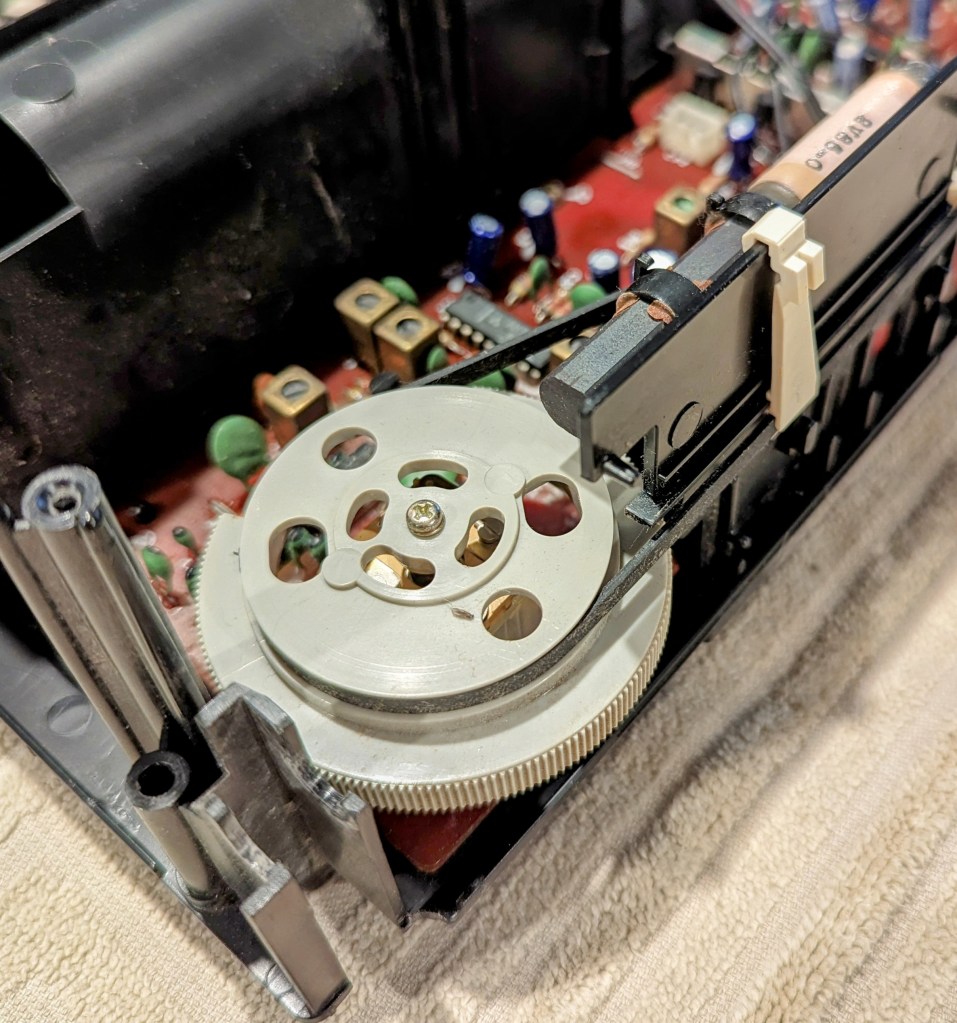
An interesting observation during disassembly was the design of the radio frequency selection. A knob rotates a potentiometer underneath, but also belt drives an indicator at the same time.
Finally, this project wouldn’t be worth anything if it doesn’t get used:

Future Work
The radio is powered by 6x D-cell batteries, which are heavy, especially while holding the radio while skiing down a mountain. Replacing the D batteries with a rechargeable lithium ion pack would save over 1.5lbs. This would likely mean some removal of the plastic battery holders, a panel mount change port, and possibly a voltage regulator to adjust the supply voltage.
 Ethan's Projects